Community Conversations: Environmental Action and Local Politics in Laguna Beach
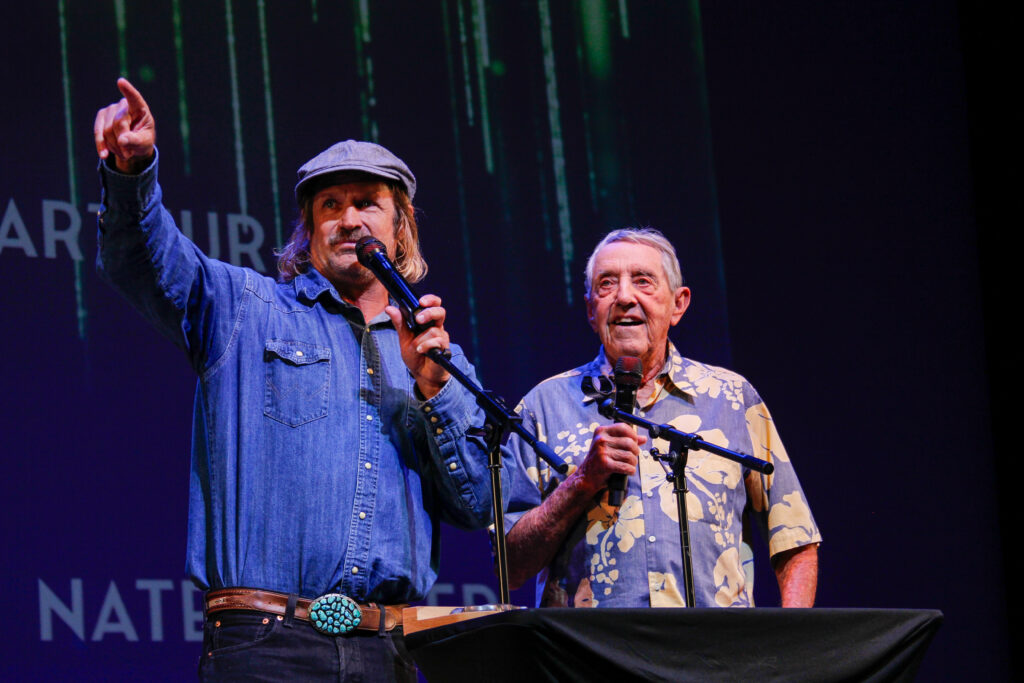
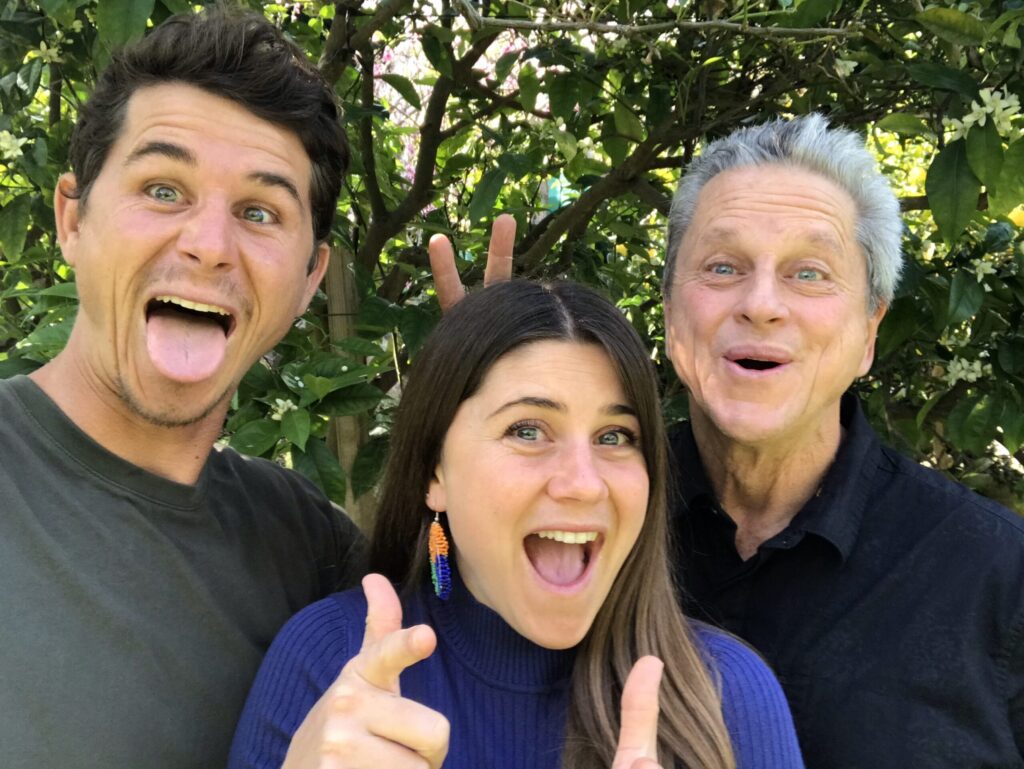
On a recent episode of All Things Green, hosts Chris Prelitz and Jorg Dubin take listeners from the global stage of environmental policy straight down to the shoreline of Laguna Beach—connecting federal decisions, local stewardship, and the everyday responsibility of living in a place as environmentally sensitive as this one.
They begin with a sobering look at national environmental policy. The removal of climate change language from EPA frameworks, they note, represents more than semantics—it fundamentally shifts how environmental protections can be justified and enforced. Without the ability to cite carbon emissions or public health impacts, states may find themselves with fewer tools to implement stronger regulations. As Dubin points out, it puts the U.S. in a uniquely regressive position among developed nations.
But in classic All Things Green fashion, the conversation doesn’t stay stuck in frustration. Instead, it pivots to a compelling contradiction: while policy may lag, other sectors—particularly the military—have long treated climate change as an operational reality. Rising sea levels, mass migration, and vulnerable fuel supply chains are not theoretical risks; they’re strategic concerns. As a result, military innovation has quietly moved toward renewable energy, electrification, and self-sustaining systems.
That tension—between political inertia and practical adaptation—sets the stage for a more hopeful turn toward Laguna Beach itself.
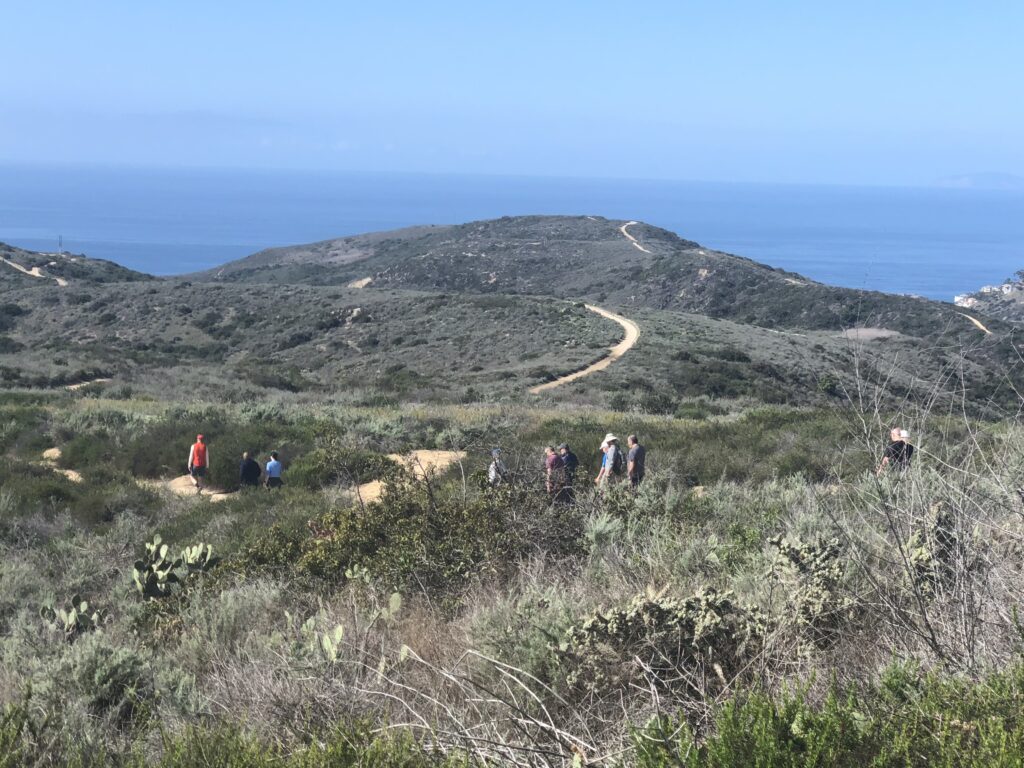
Following a summer marked by overcrowding and environmental strain, the city is recalibrating how it presents itself to visitors. The shift toward messaging centered on “environment, culture, and heritage” signals a deeper recognition: Laguna’s identity is inseparable from its natural surroundings. Protecting that environment isn’t just ecological—it’s cultural and economic.
Prelitz and Dubin highlight the upcoming Environmental and Cultural Stewardship Community Forum as a key moment for that shift. More than just an event, it represents an attempt to bring residents into a shared conversation about what stewardship actually looks like in practice. As they emphasize, these issues—environmental protection, cultural preservation, and affordability—aren’t separate challenges. They “dovetail together,” shaping the future of the community as a whole.
The episode also weaves in broader political tensions, offering a reminder of how stark the national landscape can feel in contrast to local efforts. Yet even here, the focus returns to Laguna Beach leadership. City Manager Dave Kiff is singled out for his transparency and long-term commitment to the city—not just as an official, but as a resident invested in its future. His exploration of charter city status raises important questions about how much control Laguna should have over its own governance.
By the time the conversation turns to emerging energy technologies—fusion, biomass, and beyond—the tone has shifted from concern to cautious optimism. Innovation is happening. Community engagement is growing. And while the challenges are real, so is the capacity for local action.
What makes this episode resonate is its balance: it doesn’t minimize the scale of environmental issues, but it also refuses to frame them as distant or abstract. Instead, Prelitz and Dubin bring the conversation home—reminding listeners that stewardship starts where they are, and that Laguna Beach has both the responsibility and the opportunity to lead.