Keeping Laguna Beach’s Creative Spirit Alive
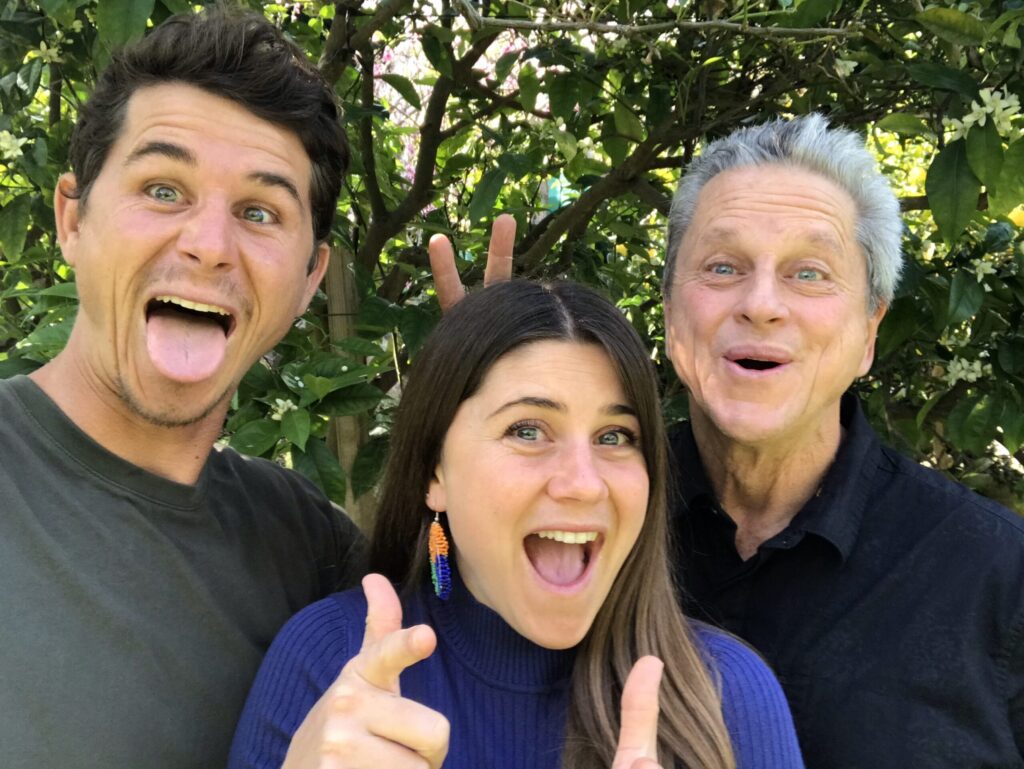
Laguna Beach has long defined itself as an artist’s town—a place where natural beauty and creative expression exist in constant dialogue. But as Jorg Dubin and John Zegowitz explore in this episode of Art Matters, that identity is no longer something the city can take for granted.
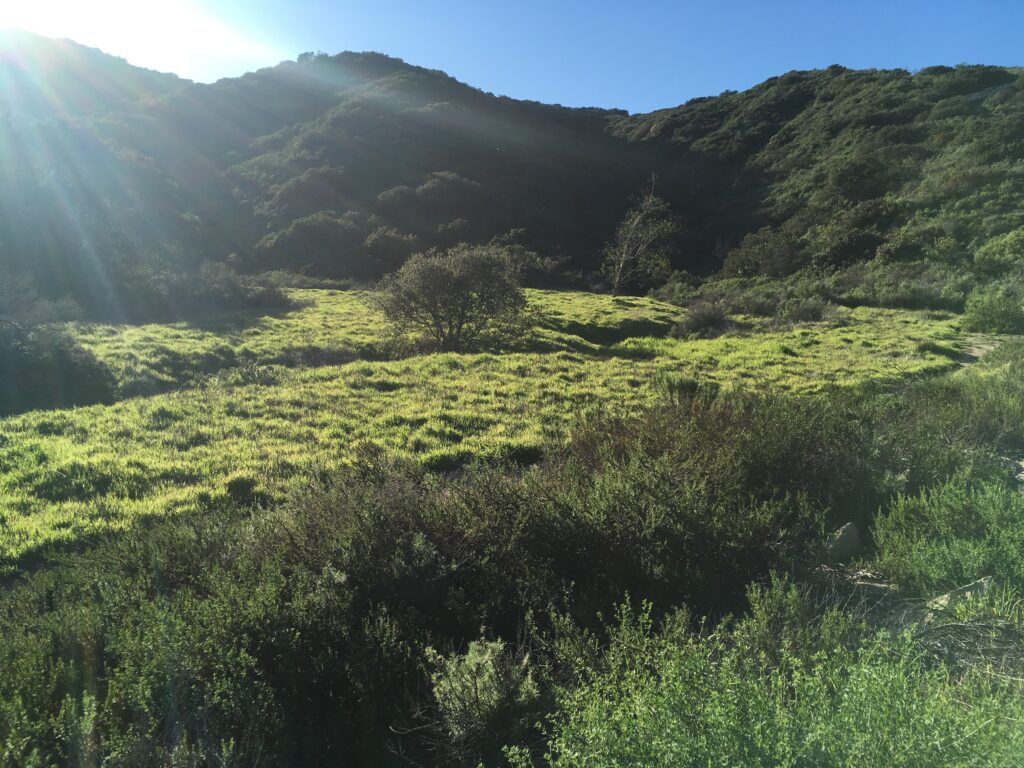
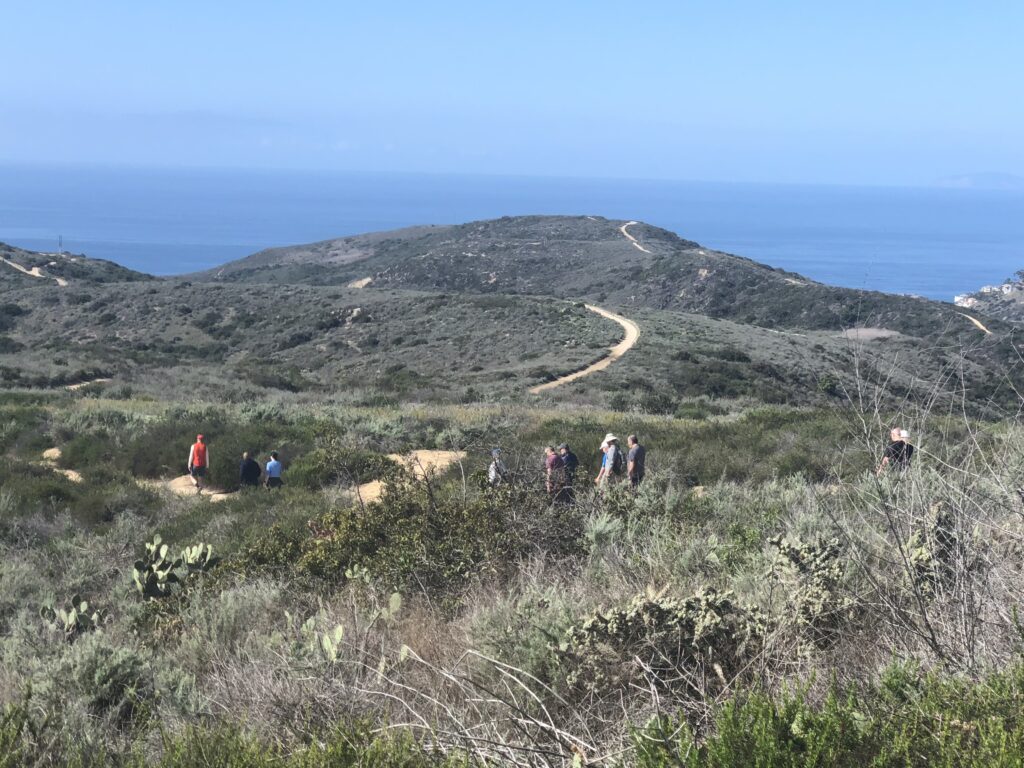
At the heart of their conversation is a simple but powerful framework: environment, culture, and heritage. For Zegowitz these aren’t abstract ideas—they’re interdependent systems. The environment, he explains, is the foundation. Without protected open space, clean coastlines, and the unique geography that has drawn artists here for generations, the cultural ecosystem begins to erode.
That interconnectedness becomes a recurring theme. Laguna’s artistic legacy didn’t happen by accident—it emerged because the environment made space for it. And now, preserving that legacy requires the same level of intention.
Dubin reflects candidly on what he sees as a period of complacency. For decades, Laguna Beach has operated under the assumption that its creative spirit would sustain itself. But rising costs, shifting priorities, and increasing development pressure have exposed the fragility of that assumption. The artists who once defined the town are finding it harder to live—and work—within it.
This is especially true for emerging artists. As Zegowitz points out, the next generation brings experimentation, risk-taking, and new perspectives—yet they’re often priced out before they can contribute. Without them, the culture risks becoming static rather than evolving.
Looking outward, the conversation turns to cities that have managed to reinvigorate their creative communities. Oceanside offers one model, where lower barriers and a more flexible approach to development have allowed artists and small businesses to thrive. Larger-scale examples, like Houston’s Project Row Houses and Mass MoCA, demonstrate how intentional investment in creative infrastructure can transform entire neighborhoods.
But the question remains: what does that look like in Laguna?
Rather than offering a single solution, Dubin and Zegowitz explore a range of possibilities. A community land trust could provide long-term affordability for artists and essential workers. Underutilized properties could be reimagined as flexible spaces—hosting markets, studios, performances, or pop-ups depending on the need. The goal isn’t just preservation; it’s activation.
Equally important is the need for connection. Too often, they note, Laguna’s many organizations—arts groups, environmental advocates, local businesses—operate independently. Greater collaboration could unlock shared resources and amplify impact, creating a more cohesive cultural ecosystem.
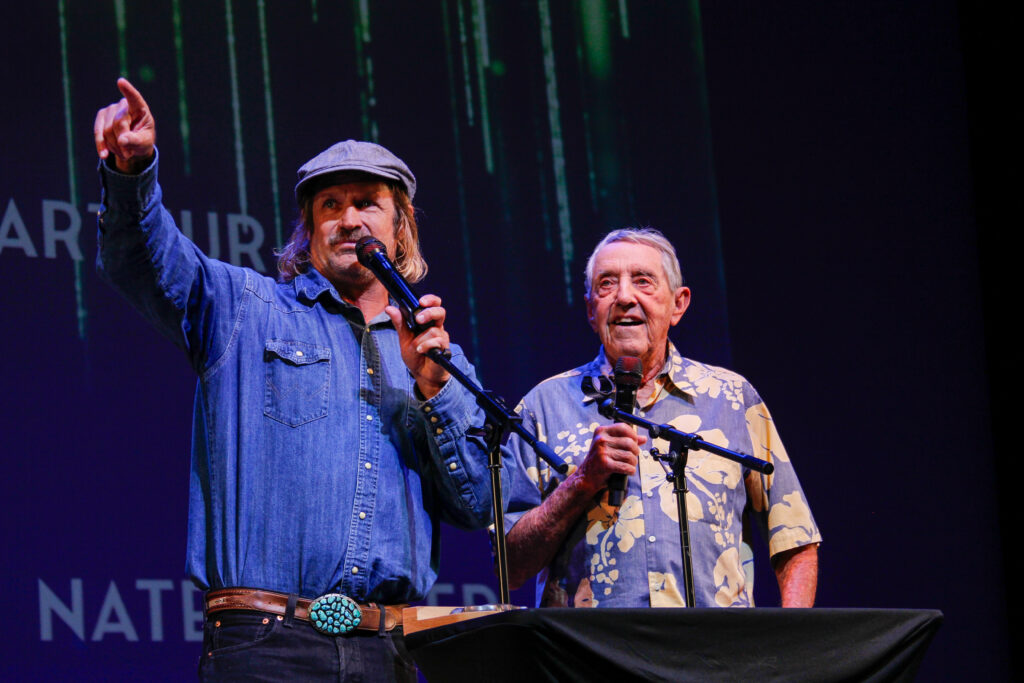
There are already signs of progress. The recently launched stewardship initiative, introduced at the Rivian Theater, signals a shift toward more intentional planning. Campaigns like “Clean Laguna” aim to reinforce the idea that both residents and visitors play a role in maintaining the city’s character.
Ultimately, the conversation returns to a central truth: creative communities don’t sustain themselves automatically. They require care, investment, and a willingness to adapt.
Laguna Beach still has all the ingredients that made it an artistic hub in the first place. The challenge now is ensuring those conditions continue to exist—not just for today’s artists, but for the generations who will define what the city becomes next.